
Furniture Built From Wood With History
Custom wood furniture from reclaimed and natural wood for homeowners seeking unique, sustainable pieces
Reclaimed wood carries visible history—nail holes, saw marks, weathering patterns, and grain variations that make each board distinct. The owner of UrbanWIRX sources reclaimed timber and selects natural wood for custom furniture projects, designing each piece around the wood's existing character rather than forcing uniformity. Seventeen years of woodworking experience has taught which reclaimed species hold up structurally, how old-growth lumber behaves differently than newer stock, and how to incorporate defects like knots and checking into the design without compromising strength.
Natural wood refers to lumber milled from sustainably harvested trees, chosen for grain pattern, density, and durability. The selection process considers how the wood will be used—tabletops require harder species that resist denting, while cabinet doors can use lighter woods without sacrificing longevity. Reclaimed wood often comes from barns, warehouses, and industrial buildings, where decades of exposure have dried and stabilized the lumber beyond what kiln-drying achieves with new wood.
Request a consultation to discuss wood sourcing options and review how reclaimed or natural wood fits your furniture project.
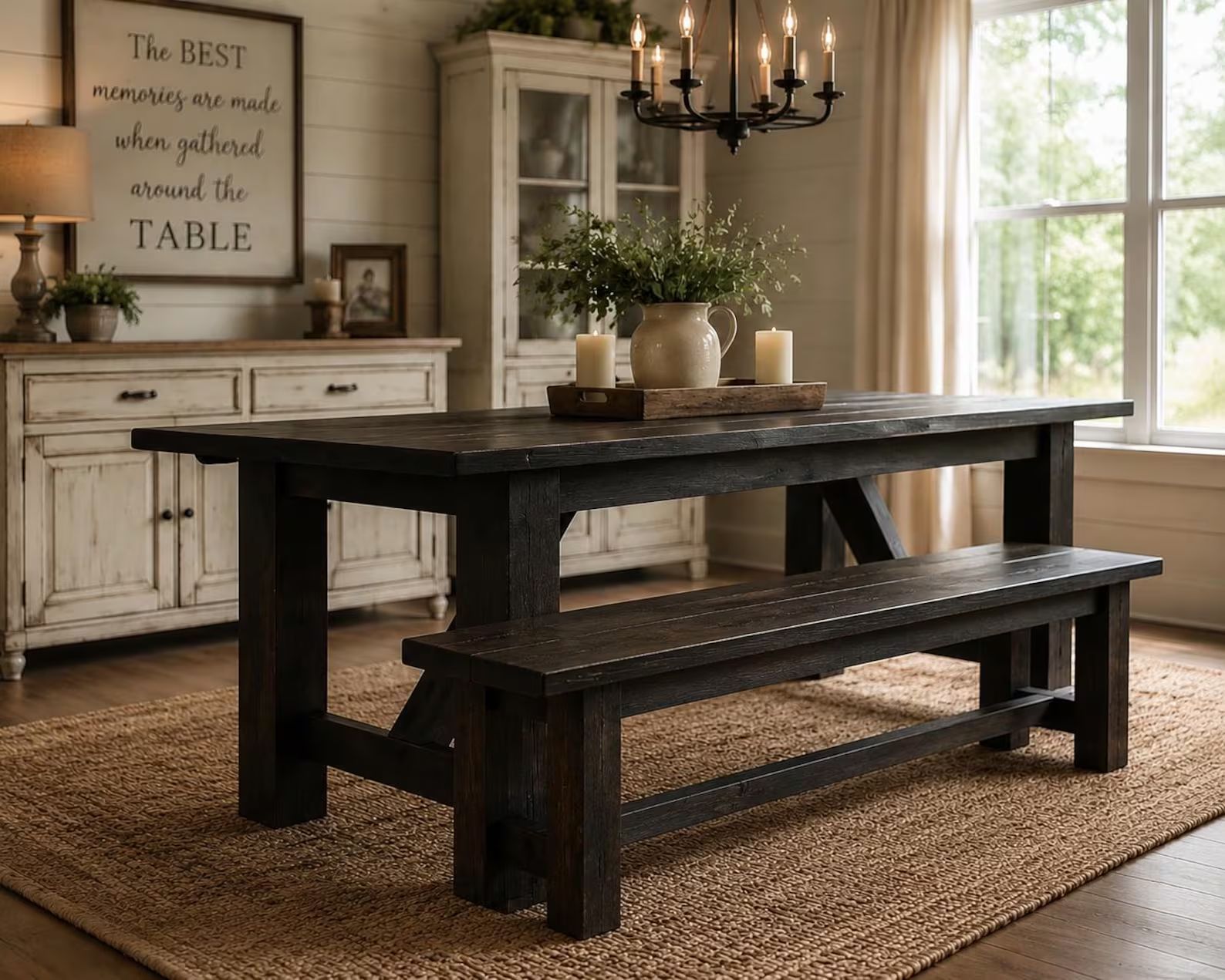
How Reclaimed and Natural Wood Perform Over Decades
Old-growth reclaimed lumber contains tighter grain spacing than modern timber, which makes it more resistant to warping and splitting as humidity changes with Indiana's seasonal swings. The wood has already moved through decades of expansion and contraction cycles, so it remains more stable after construction than freshly milled boards. Natural wood selected for furniture projects is often air-dried before milling, which preserves the wood's natural oils and produces richer color variation than kiln-dried stock.
Once the furniture is complete, you'll see the texture and imperfections that make reclaimed wood distinct—saw marks that show milling methods from a century ago, color shifts where the wood was exposed to sun or moisture, and grain patterns that modern forestry practices no longer produce. Natural wood pieces display consistent grain flow and color, with figure variations like curly maple or quartersawn oak adding visual depth. Both materials develop patina over time, darkening or lightening depending on exposure and the finish used.
Pricing for reclaimed wood furniture reflects the time required to source suitable material, remove old hardware and fasteners, mill the wood flat and square, and work around defects while preserving character. Natural wood pricing depends on species rarity, board dimensions, and figure quality, with premium pieces priced between $3,500 and $5,000 or more based on material cost and construction complexity.
Answering Questions About Reclaimed and Natural Wood Projects
Clients interested in rustic or artisan aesthetics often ask about wood sourcing, structural integrity, and how reclaimed material compares to new lumber before committing to custom furniture.
Where does the reclaimed wood come from and how is it prepared for furniture?
Reclaimed wood is sourced from barns, warehouses, and industrial structures, then inspected for structural soundness, denailed, and milled to remove weathered surfaces and reveal clean wood underneath. Each board is evaluated for stability, and unusable sections are discarded before construction begins.
Is reclaimed wood as strong as new lumber for furniture that gets daily use?
Old-growth reclaimed lumber is often denser and more stable than modern timber because it grew slower and has already spent decades adjusting to humidity changes. The wood is tested for rot, insect damage, and structural defects before it's used in furniture, so only sound material makes it into the final piece.
What types of furniture work best with reclaimed or natural wood?
Dining tables, benches, shelving, and cabinetry showcase reclaimed wood's character, while bed frames, desks, and built-ins benefit from natural wood's consistent grain and color. The choice depends on whether you want visible history and texture or a cleaner, more uniform appearance.
How do finishes affect the appearance of reclaimed and natural wood?
Oil finishes darken reclaimed wood and emphasize grain contrast, while clear topcoats preserve the wood's natural color and protect against moisture. Natural wood can be stained to match existing furniture or left unfinished to develop patina over time, depending on your preference and the piece's function.
Can reclaimed wood be used for kitchen tables and surfaces that need to handle spills and heat?
Reclaimed wood works well for tables and countertops when sealed with durable finishes like conversion varnish or hard wax oil, which resist moisture and heat without yellowing. Carmel and New Palestine clients often choose reclaimed wood for dining tables because the material's existing patina hides new wear better than pristine surfaces.
UrbanWIRX has built custom furniture from reclaimed and natural wood for seventeen years, serving design-conscious buyers who value sustainability, uniqueness, and artisan craftsmanship. Schedule a phone consultation to discuss wood sourcing and review material options for your furniture project.